
Birch Counseling's Founder Christa Surerus announces that they will offer Appointments Within 24 Hours for mental health counseling at their location in Golden Valley.
Grief and Loss

It is helpful to recognize that grief is considered a NORMAL reaction.
One definition of grief describes it as “the normal process of reacting to a loss” (medicinenet.com). Many people think that you have to experience a death in order to grieve but that is just not the case. You can experience grief in response to any type of loss/change.
Read moreMind hijacked by worry?
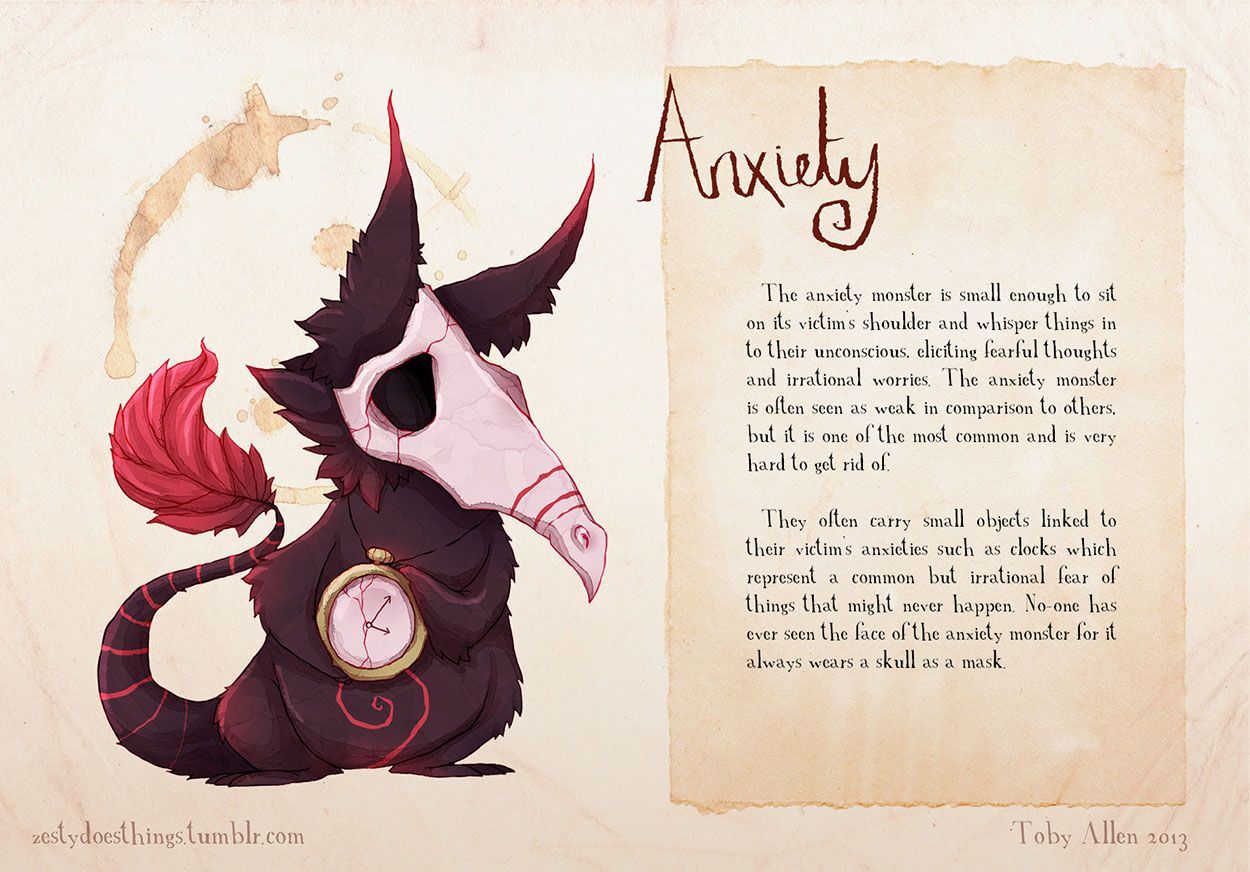
Worry consumes mental energy and uses it for concerns that are usually completely out of our control.
“Pain is inevitable. Suffering is optional.”
Worry consumes mental energy and uses it for concerns that are usually completely out of our control. When anxiety strikes, ask yourself this question:
Is there anything at all that I can do right at this moment to fix, address or keep what worries me from happening?
Most of the time, you will find the answer to this question is “no.”
On the rare occasion when it is “yes,” you may notice that you’re not worried at all. Instead, you simply deal with the situation, and so use your mental energy effectively.
If you wish to lower your anxiety, you may benefit from centering techniques, such as meditation, breathing exercises, or yoga. For many, the serenity prayer has also been helpful:
May I accept the things that cannot be changed,
Have courage to change the things I can,
and wisdom to know the difference.
Anxiety/worry is suffering, triggered by imaginary scenarios. Remaining calm and grounded within that which is in your control preserves mental energy, and so allows you to use it more effectively.
Take care of yourself
Whenever you board a flight you hear something very important: put on your own oxygen mask before assisting others. Unless we do what is necessary to keep our own balance, we are not very effective at accomplishing what we set out to do. When you notice feeling down, anxious, irritable or stressed, it’s time to improve self-care. Ask yourself:
When was the last time I moved my body?
Exercise is a highly effective way to improve your emotional and physical health. On a physical level, your metabolism speeds up and you feel like you have more energy. Brain chemicals(dopamine, serotonin, norepinephrine) that help you feel better are released during physical exercise. Of course there are also multiple benefits to your physical health.
According to studies discussed in the New York Times, seven minutes of a daily strenuous workout is all you need to stay healthy.
Am I getting enough sleep?
We live in a world of complicated schedules, which can make it difficult to create a regular sleep routine. However, sleep is very important for your emotional and physical wellbeing. Sleep deprivation can negatively impact your ability to handle stress. Most doctors recommend between 6-8 hours of sleep. If it’s hard for you to fall asleep, or you suffer from broken sleep, a first recourse may be to follow recommendations of sleep experts.
How am I fueling my body?
Put bad in, get bad out. A poor diet affects both your physical and your mental health. When we are busy and stressed, we easily get caught in a vicious cycle of eating on the run, and turn to convenient, highly processed, unhealthy foods.
Take a moment to make a daily or weekly food plan. Make sure it contains plenty of whole foods, such as fresh fruits and vegetables.
Have I talked to a friend lately?
We are social beings. To feel good, we need to feel connected to people who can pick us up when we’re sad, offer another perspective or insight when we’re confused, and simply help us have fun. Friendships that work are balanced, a two-way street.
Make sure to call or visit a friend regularly.
Am I having fun?
Doing something enjoyable each day is part of a balanced life. All work and no play is a recipe for stress, which brings with it a cascade of physical, emotional and relational consequences. Please, for your own sake, the sake of your coworkers, and the ones you love: carve out some down time! Take up a hobby. Go for a walk. Dance. Laugh hard. Bike. Color. Paint. Draw. Play an instrument. Make sure your life is balanced between work and play.
Does my mind need more challenge?
Play games that sharpen your mental faculties and provide challenges. From memory games to crossword puzzles, the small, fun challenges these games present may help you become better equipped to deal with stress. Take a class to learn a new skill. Learn another language. A mind that is used and stretched is more resourceful, flexible and agile. It ages better, thinks things through. Solves problems.
Am I making a difference?
Make your life count. Become the best version of yourself. Inspire others by your example. Meditate. Pray. Forgive. Develop a spiritual practice that connects you with that which is greater than you.
Addictions and compulsive behaviors are linked with feeling empty inside. They cover up feelings of shame, anger, helplessness, and maybe a sense that our lives are not important.
Please rethink that: you DO matter. The way you live your life absolutely matters. Every day, you affect in big or small ways the people who cross your path. The world needs less judgment, less drama; it needs more of your smiles, hugs, solutions, affirmations, and support.
How you can help a loved one who struggles with depression

It's the little things that can make a big difference for someone battling depression. Here's 5 things you can do to help a loved one with depression:
- Invite them to a social gathering with people. Not a huge party, but even just coffee with you at a coffee shop, or a small quiet group of friends watching a movie together.
- Offer to pick them up and take them to the event. Make it as easy and effortless to participate as possible. Make sure the gathering is low key and expectations are low.
- Making decisions can be very difficult for people who struggle with depression. Help them by giving them easy choices. Pick or organize an event or show you know they’d like. If needed, make childcare arrangements for them.
- Go for a walk or a bike ride with them. Take them to a gym. While they may not always feel up for it, exercise, being in the company of others, and spending time outdoors can help.
- Caring for someone with depression is hard and can lead to burnout. Make sure you assemble a team of people who can help support the person, as well as you.
Help is available

If you believe a loved one is considering suicide, you should know that help is available. In addition to Emergency rooms and crisis hotlines, every county in the metropolitan Twin Cities area has a mobile crisis team. Mobile crisis teams are trained to help. They can talk to your loved one, offer transportation to a safe place, and connect them with resources and professional support.
Response time for a mobile crisis team can be a few hours.
In immediately life-threatening or extremely dangerous situations, please call 911.
Examples of situations when the local county Mobile Crisis Team should be called:
- When you think someone you know is in danger of committing suicide
- When you notice disruptive, suddenly bizarre, or out-of-control behavior of an adult or child.
- When you are a parent who needs to place your children in the Crisis Nursery.
- When you need support in caring for someone who is struggling with mental illness or emotional disturbance.
- When there has been a domestic or sexual assault.
- If you have general questions about handling a crisis or need to be referred to professional resources.
How to reach your local crisis team:
- Anoka (763) 755-3801
- Carver/Scott (952) 442-7601
- Dakota (952) 891-7171
- Hennepin (612) 596-1223 (adults) (612) 348-2233 (children)
- Ramsey (651) 266-7900 (adults) (651) 774-7000 (children)
- Washington (651) 777-5222
10 Questions to Help Identify Suicide Warning Signs

Most who consider suicide will give a loved one warning signs about their plans for suicide. But what exactly are those?
To identify warning signs, ask yourself these 10 questions:
- Do they exhibit or talk about feeling a deep sense of hopelessness about the future, with little expectation that circumstances can improve?
- Are they talking about death a lot or making oblique references to it?
- After a period of depression/moodiness, have they suddenly and unexpectedly become calm?
- Are they withdrawing from social activities - especially ones they previously enjoyed?
- Have they stopped caring about personal appearance?
- Are they engaging in risky behaviors? Reckless driving? Drugs/Alcohol? Unsafe sex?
- Has a major life crisis occurred? Death of recent loved one? Divorce? Bankruptcy?
- Are they putting a lot of their affairs in order? This might include visiting loved ones members, giving away possessions, making a will, and cleaning up his or her room or home.
If you answer yes to these questions, check in with your friend or loved one. Tell them you’re concerned about them. Tell them that you care. Ask them if they’re having suicidal thoughts. Call the National Suicide Prevention line 1 (800) 273-8255.
Birch Founder Christa Surerus on KARE 11
Christa's Tips when talking about politics with friends, family, or acquaintances:
- Don’t engage in a discussion when you’re angry. Being forceful and loud is not convincing.
- We are most influenced by people who make us feel good.
- We tend to avoid people who tell us how we should feel or think.
- If you wish to get your point across, make sure you start out by genuinely listening to what the other person has to say. Reflect back to them aspects of their argument that make sense to you, and then offer your perspective.
What should I expect in my counseling session?
Empowering you is the primary focus of counseling.
This is your space.
This is your time.
You are in charge.
You tell us what you wish to accomplish.
Our providers focus on getting to know you. What matters to you, what is important? What keeps you going? What is your idea of a fulfilling, meaningful life?
Birch counselors help you identify obstacles that seem to keep you from living the life you want.
Let us help you get back on track.
Counseling is Confidential

According to the Association for Psychological Services, only 40 percent of the 60 million people who experience concerns about their emotional health actually seek help.
Common concerns and barriers to seeking assistance involve fear of judgment, or a deep-seated sense of “is this even worth talking about?” Some individuals are too ashamed of their problems, particularly in this age of Facebook, where we are constantly inundated with the airbrushed profiles of what appear to be “perfect lives.”
Contrary to popular opinion, the bravest move you can make is reaching out for help. You may have been raised with the idea of self-reliance: you should be able to solve your problems alone, at most with the assistance of a few trusted friends or family members.
For many of our problems, this may actually be sufficient. For many others, it is not. Examples include addictive behaviors, relationship problems, unexplainable feelings of sadness or a sense of emptiness despite life seemingly going well, excessive worry or anxiety, feeling inadequate or somehow defective. Such problems can trigger shame, which keeps us from reaching out. There is fear of judgment or abandonment, fear of our problems being shared with others.
As mental health professionals, we are bound by law to keep your matters confidential. We offer a neutral perspective, and are trained to help you gain a better understanding of what troubles you. Counselors help guide your thinking in the direction of solutions that are right for you, given the context of your particular life circumstances.
The purpose of counseling is empowerment. It is our goal to help you take charge of your own life. We help you choose goals that are aligned with who you are and what is important to you.
Don’t Let Insurance Stop You from Seeking Help

According to the Association for Psychological Sciences, the stigma of seeking help from a mental health provider continue to stop 60 percent of the estimated 60 million people who experience problems with depression, anxiety, substance use, behavioral or relationship concerns.
Those who consider seeking help are often deterred by financial concerns: will my insurance cover this service?
Fortunately, mental health counseling today is covered by most insurance plans.
Birch Counseling is contracted with a number of insurance plans, making care with our providers accessible and affordable.
We would be delighted to assist you with any questions you might have about your insurance coverage for counseling services.
Birch Counseling Now Accepts Blue Cross/Blue Shield Health Insurance

Birch Counseling is so pleased to announce we now accept Blue Cross/Shield Health Insurance, one of the largest providers of insurance nationwide.
In addition to Blue Cross, we accept most PreferredOne plans, UCare, Medica, United, Aetna, UMR, Metropolitan Health, Medical Assistance, ChampVA, Value Options and more.
Dispelling the Stigma of Bipolar Disorder

Like other forms of mental illness, bipolar disorder is often thought of as a character flaw warranting social criticism. Unlike purely physical ailments, we blame the person for their mental state, not the wiring or chemistry of their brain.
This stigma only creates more problems: people avoid seeking help in order to avoid stigma. Those who have received help often feel shame and guilt over their diagnosis.
We need to support each other. If you receive or hear a joke about mental illness, say something. You should know that a number of very creative and talented people have been diagnosed with bipolar disorder: Robert Downey Jr. has been described as the poster child for this illness. Read his story and you’ll know why. The same goes for Robin Williams and a number of others.
Please remember to be kind—everyone is broken in some way. Let’s resolve to understand, rather than judge those who struggle with this disorder.
Does my loved one have a Bipolar Disorder?

As 2.6 percent of people suffer from bipolar disorder, there is a probability that you may know someone who will experience the disorder. Given the strong genetic correlation, your chances of developing bipolar disorder increase greatly if another member of your family has been diagnosed with it.
Knowing if a loved one is presenting signs of bipolar disorders is important. Even more importantly, it’s important to know where and how to get help. A thorough evaluation by a psychiatrist, along with medication, are essential for treating mania and major depression. Talk therapy can help manage symptoms between episodes, and offer support for families.
With good treatment and support from family and friends, people with bipolar disorders can lead productive lives. However, without treatment, the disorder can have a devastating effect on life and relationships.
Identifying Potential Symptoms
Bipolar disorder, as it is so named, is a disorder of extremes or poles from high to low. Depression and manic states are part of the bipolar cycle.
You may notice that your loved one is sleeping less and less, and has unlimited energy and full of ideas. This person can be pleasant and fun to be around, but it can quickly change to irritability, which can lead to verbal or physical outbursts. You may notice that your loved one is self-medicating with drugs or alcohol to offset the effects of the disorder.
You may see increased use of bad judgment from your loved one. They may spend money recklessly and engage in risky behaviors, including casual and unprotected sex, gambling, driving at high speeds, and generally in places where bad things will happen.
If the symptoms continue without treatment, behaviors can become progressively more threatening.
Approaching the Subject
When speaking to your loved one about their behavior, they may accuse you of being boring, oppressive, or ruining their life. You will need to approach it delicately, as pushing a person in a manic state will lead to unnecessary and potentially harmful conflict.
Your best strategy is to use a combination of listening to your loved one and applying leverage to influence positive behavior, like meeting with a mental health professional.
Leverage isn’t about pushing or forcing, but about providing your loved one a choice. For instance, if you are providing something they need like a car, money or something else of value, you can give them a choice about how to proceed: continue receiving these items by getting help, or choosing to live without them and not receiving help.
Never Give Up
Managing an illness, even after receiving help from mental health professionals is a marathon, not a sprint. Your morale and determination will be tested. As you support your loved one who struggles with the illness, don’t be afraid to ask for your own help. Mental health professionals can assist you with finding the resources you and your loved ones need to manage this difficult illness.
A Bipolar Diagnosis May Start as Depression

When a patient’s bipolar symptoms are extremely classic, we can diagnose quickly. However, there are a lot of cases in which the symptoms are not, and require us to dig a little deeper to correctly identify if bipolar disorder is the cause of mental health issues.
For instance, many people with diagnosed bipolar disorder start with depression symptoms at treatment. For some, it will simply be depression. For others, it could indicate more, which is why we do our research to confirm or deny any possible conclusions.
Because 60 percent of bipolar cases are hereditary, we review the family history and a number of other indicators that suggest the potential for mania may be present in a depressive episode. This is important as treatment with some antidepressants might trigger manic episodes in vulnerable individuals.
Indicators can include symptoms occurring in adolescence; having family members with the condition; or a first episode of depression after giving birth--some women who develop postpartum depression turn out to have bipolar disorder.
Additional red flags can include unsuccessful treatments with antidepressants or having undergone severe depressive episodes with symptoms like hallucinations.
As your mental health is our priority, we make sure to review and rule out possible issues that at first may not be evident.
4 Types of Bipolar Disorder

5.7 million Americans or 2.6 percent of the population are affected by bipolar disorder, but their experiences are not exactly the same. Regarding bipolar disorder, there are four distinct types that help mental health care providers identify and treat patients.
Bipolar I disorder
The one and only criterion for a diagnosis of Bipolar I disorder is having experienced at least one full manic episode. Manic episodes last at least one week or require hospitalization, and cause significant impairment in functioning. Mania is characterized by a dramatic increase in energy and a significantly reduced need for sleep. There may be grandiosity, aggressive behavior and even a break from reality (psychosis). The manic episode may be preceded or followed by major depressive episodes. However, some people with Bipolar I disorder never experience a depressive episode.
Bipolar II disorder
There has been at least one major depressive episode lasting at least two weeks and at least one episode in which abnormally elevated mood and increased energy or irritation are experienced for at least four days (hypomania), but never at the level of the full manic episode that is characteristic for Bipolar I disorder. Major depressive episodes or the unpredictable changes in mood and behavior cause distress or difficulty in multiple areas of your life.
Cyclothymic disorder
At least two years — or one year in children and teenagers — of numerous periods of hypomanic symptoms alternating with periods of depression. During that time, symptoms occur at least half the time and never go away for more than two months. Mood symptoms don’t meet full criteria of major depression or hypomania, and cause significant distress in important areas of your life.
Other types
These include, for example, bipolar and related disorder due to another medical condition, such as Cushing's disease, multiple sclerosis or stroke. Another type is called substance and medication-induced bipolar and related disorder.
Research suggests bipolar disorder is 60 percent hereditary, and that it typically appears in adolescence or before the age of 25, but it can also emerge later in life. Biological differences in the brain and an imbalance of chemicals called neurotransmitters and hormones could also contribute. Stressors can act as triggers of an onset, like emotional or physical trauma. Bipolar I disorder is a life-long condition that requires use of medication. Cognitive therapy can assist with early identification and management of symptoms that appear to be chronic or signal onset of a major mood episode. Family members of a person struggling with bipolar disorder often benefit from therapy as well, both in a group and individual settings.
How to deal with a teen with a drinking problem

Approaching your child about the subject of alcohol abuse or dependency may be difficult, but you can do it.
With the recent court case regarding “Affluenza,” or the wealthy teen with a drinking problem, plus more stories daily about teen drinking, it’s important to review what a parent can do to help curb problem drinking.
First and foremost, it’s important to remain calm when confronting your teen. Explain your concerns and make it clear that your concern comes from a place of love and support. And make sure everyone is sober during this discussion.
Create and Enforce Rules and Consequences
Your teen should understand that drinking alcohol comes with specific consequences. Do not make hollow threats or rules you can’t enforce. Make sure your spouse agrees and is prepared to enforce them.
Monitor activity
Explain that your teen will have a lack of privacy as a consequence of using alcohol. Monitor the location, activities and friends of your teen. Routinely check hiding places for alcohol in your home.
Encourage healthy interests and activities
Expose your teen to healthy hobbies and activities, such as team sports, Scouts, and after school clubs.
Discuss potential underlying issues
Drinking can be the result of other problems. Is your child having trouble fitting in? Has there been a recent major change, like a move or divorce, which is causing stress?
Get help
It takes a village to raise a child. Teens often don’t listen to parents, but if another authority figure says the same thing, they may be more inclined to listen. Try seeking help from a sports coach, family doctor, therapist, or counselor.
Denial about Problem Drinking

One of the biggest hurdles for a problem drinker to overcome is denial. It leads to rationalization, because the desire to drink is so strong. Denial stops a problem drinker from getting help and exacerbates alcohol-related problems with work, finances, and relationships.
While work, relationship, and financial stresses happen to everyone, an overall pattern of deterioration and blaming others may be a sign of trouble.
Common Rationalizations
Drastically underestimating how much you drink
Downplaying the negative consequences of your drinking
Complaining that family and friends are exaggerating the problem
Blaming your drinking or drinking-related problems on others
If you find yourself rationalizing your drinking habits, lying about them, or refusing to discuss the subject, take a moment to consider why you’re so defensive. If you truly believe you don’t have a problem, there should be no reason for you to cover up your drinking or make excuses.
You can always find support from friends, family or a trusted therapist.
Myths about Problem Drinking

“I can stop drinking anytime I want to.”
Telling yourself you can quit makes you feel in control, despite all evidence to the contrary and no matter the damage it’s doing.
“My drinking is my problem. I’m the one it hurts, so no one has the right to tell me to stop.”
The decision to quit drinking is up to you, however it’s a rationalization that says you’re the only person it hurts. Alcoholism affects everyone around you—especially loved ones.
“I don’t drink every day, so I can’t be an alcoholic.”
—Or—
“I only drink wine or beer, so I can’t be an alcoholic.”
It’s not about what you drink, when you drink it, or how much you drink. It’s the effects of your drinking. If your drinking is causing problems in your home or work life, you have a drinking problem.
“I’m not an alcoholic because I have a job and I’m doing okay.”
It’s not just homeless people drinking out of paper bags, there are many ‘high functioning’ problem drinkers with prestigious jobs, like lawyers. But just because you’re a high-functioning alcoholic doesn’t mean you’re not putting yourself or others in danger.
“Drinking is not a ‘real’ addiction like drug abuse.”
Alcoholics go through physical withdrawal when they stop drinking, just like drug users do when they quit. Alcohol is a drug. It causes changes in the body and brain.
How to support a loved one with alcoholism or alcohol abuse

Living with a loved one’s alcohol problem can be an emotional roller coaster. First and foremost, it’s vital that you take care of yourself and get support. You will need to have people you can talk honestly and openly with about the situation.
Truths about Alcoholism, Alcohol Abuse and Recovery
- You cannot force someone to stop abusing alcohol. The choice is theirs alone.
- A problem drinker cannot stop drinking without help.
- Recovery is an ongoing process that requires time and patience. The underlying problems that led to the problem drinking take time to unpack.
- You’re not alone. Alcoholism and alcohol abuse affects millions of people from every social class, race, and culture.
DON’T
When supporting a problem drinker, there are many things you shouldn’t do.
Don't attempt to punish, threaten, bribe, or preach.
Don’t use emotional appeals. They may increase feelings of guilt and the compulsion to drink or use other drugs.
Don't cover up or make excuses for the alcoholic or problem drinker.
Don't take over their responsibilities, leaving them with no sense of importance or dignity.
Don't hide or dump bottles, throw out drugs, or shelter them from situations where alcohol is present.
Don't argue with the person when they are impaired.
Don't drink with the problem drinker.
Don't feel guilty or responsible for their behavior.
DO
Do seek help from a group like Alcoholics-Anonymous.
Do seek out trusted friends, a therapist, or people in your faith community.
Do get help. You need support, too.
Alcoholism and Alcohol Abuse

This simple question could lead to an exploration about alcohol abuse or dependency.
It’s not always easy to see when drinking has crossed the line from moderate or social use to problem drinking. But if you consume alcohol to cope with difficulties or to avoid feeling bad, you’re in potentially dangerous territory.
Read more