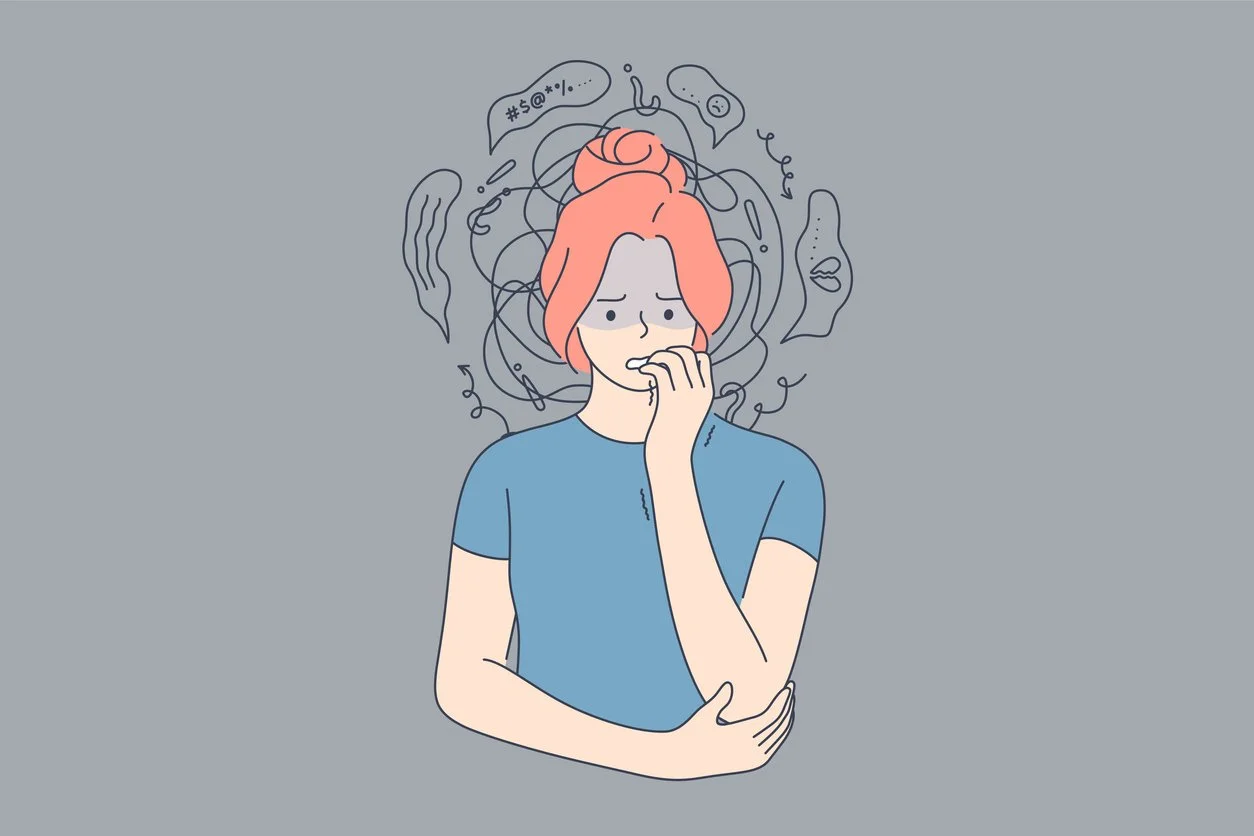
Your Twenties Matter More Than You Think

Why the decisions you make in your twenties shape the rest of your life

For many years, popular culture has promoted the idea that your twenties are a "throwaway decade"—a time to drift from job to job, postpone commitment, travel, and simply "figure things out." While exploration is healthy, research tells a very different story.

Clinical psychologist Meg Jay has spent her career studying emerging adulthood. In her influential book, The Defining Decade, she argues that the twenties are not a dress rehearsal for real life—they are real life. The experiences, relationships, and habits established during this decade create momentum that often carries into the decades that follow.

The Brain Is Still Under Construction

Although people legally become adults at 18, the brain continues developing well into the mid-to-late twenties. The prefrontal cortex—the region responsible for planning, impulse control, decision-making, and emotional regulation—is among the last areas to fully mature.

This creates a unique opportunity.

During your twenties, the brain remains remarkably adaptable. New experiences, healthy routines, meaningful work, and supportive relationships literally strengthen neural pathways that become increasingly stable over time. In other words, the choices you repeatedly make become the person you eventually become.

Small Decisions Become Big Outcomes

One of Jay's central messages is that life rarely changes because of one dramatic event. Instead, it changes because of hundreds of seemingly ordinary decisions.

These include:

  • Showing up consistently at work

  • Learning how to manage money

  • Building healthy friendships

  • Choosing romantic partners wisely

  • Developing healthy coping skills

  • Investing in education or career development

  • Caring for physical and mental health

Each decision may seem insignificant in the moment, but together they establish a trajectory that becomes increasingly difficult to change.

As Jay writes, "The future isn't written yet, but it isn't built from scratch either."

Identity Is Built Through Action

Many young adults wait until they "find themselves" before committing to a career or relationship. In reality, psychology suggests the opposite.

Identity develops through experience.

Confidence grows from doing difficult things—not from waiting to feel ready.

The job that teaches responsibility, the volunteer opportunity that reveals your strengths, the graduate program that stretches your abilities, or the relationship that teaches healthy communication all contribute to who you become.

Action often precedes clarity.

Relationships Matter More Than We Think

Research consistently demonstrates that relationship quality is one of the strongest predictors of long-term happiness and well-being.

The twenties are often when individuals begin choosing relationships independently rather than simply maintaining friendships created by school or family circumstances.

Healthy relationships are characterized by:

  • Mutual respect

  • Shared values

  • Honest communication

  • Emotional safety

  • Accountability

  • Encouragement of personal growth

Conversely, unhealthy relationships can consume years that might otherwise be spent developing careers, confidence, and emotional resilience.

Choosing wisely is less about finding the "perfect person" and more about becoming someone capable of building a healthy partnership.

Your Career Doesn't Have to Be Perfect—But It Should Be Purposeful

Many young adults worry about finding the perfect career immediately. Jay argues this is the wrong goal.

Instead of searching endlessly for the perfect fit, seek opportunities that build what she calls "identity capital."

Identity capital consists of experiences that increase your future opportunities, including:

  • Professional skills

  • Leadership experience

  • Networking relationships

  • Specialized knowledge

  • Reliability

  • Confidence

  • Problem-solving ability

Even jobs that aren't lifelong careers can provide valuable experience if they help build these assets.

Mental Health Is an Investment

Your twenties often include significant transitions:

  • Leaving home

  • Beginning a career

  • Financial independence

  • Serious relationships

  • Graduate school

  • Marriage

  • Parenthood for some

These transitions naturally bring stress and uncertainty.

Seeking therapy during this stage is not a sign of weakness. It is an investment in learning lifelong skills for:

  • Managing anxiety

  • Building healthy boundaries

  • Improving communication

  • Processing trauma

  • Strengthening self-esteem

  • Developing resilience

Learning these skills early can prevent years of unnecessary struggle.

You Don't Need to Have Everything Figured Out

Recognizing that your twenties matter does not mean you must have your entire life planned by age 25.

Growth includes uncertainty.

Changing careers, ending unhealthy relationships, returning to school, or moving to a new city can all be healthy decisions when they align with your values.

The goal isn't perfection.

The goal is intentionality.

Instead of asking:

"What do I feel like doing today?"

Consider asking:

"Will today's choices help create the life I hope to have ten years from now?"

The Bottom Line

Your twenties are not a decade to fear, nor are they a decade to waste.

They are a remarkable period of opportunity—a time when your brain remains adaptable, your identity is still taking shape, and the habits you establish can influence your health, relationships, and career for decades.

You do not need to have all the answers.

You simply need to recognize that today's choices become tomorrow's life.

As Meg Jay reminds us, "The twenties are the defining decade of adulthood." The question is not whether this decade will shape your future—it already is.

If you're in your twenties and feeling uncertain about your direction, you're not alone. Therapy can provide a supportive space to clarify your values, strengthen your confidence, and make intentional choices that align with the future you want to build. At Birch Counseling, we enjoy helping emerging adults navigate this important stage of life with greater purpose, resilience, and hope. Call (866) 522-2472 today to schedule an appointment and begin investing in the decade that can shape the rest of your life.


Welcoming August 24: Corey Renner, MA, LADC

Cory has over 16 years of experience in the counseling profession and is currently completing the clinical supervision requirements to obtain licensure as a Licensed Professional Clinical Counselor (LPCC) in Minnesota. Throughout his career, he has witnessed the remarkable resilience of the individuals he serves and is passionate about helping clients build upon their strengths, overcome challenges, and achieve meaningful personal growth.

Corey takes an eclectic, client-centered approach to therapy, tailoring treatment to each individual's unique needs. He draws from a variety of evidence-based modalities, including Cognitive Behavioral Therapy (CBT), Dialectical Behavior Therapy (DBT) skills, Motivational Interviewing, Person-Centered Therapy, and Solution-Focused Therapy.

He earned his Bachelor's degree in Human Services with an emphasis in Alcohol and Drug Counseling from Metropolitan State University. After seven years working in the substance use treatment field, Corey pursued a Master's degree in Counseling and Psychological Services from Saint Mary's University while continuing to work full time. His professional experience includes positions with the State of Minnesota, nonprofit organizations, Hazelden Betty Ford Foundation, and community mental health clinics, where he has provided services as a mental health practitioner.

Corey works with adolescents and adults experiencing anxiety, depression, low self-esteem, stress, emotional regulation difficulties, relationship concerns, financial stress, and life transitions. He is committed to helping clients develop practical coping strategies, strengthen communication skills, build healthier relationships, and create lives that are more balanced and fulfilling.

Corey believes that clients are the experts on their own lives. His role is to provide a safe, supportive, and nonjudgmental environment where clients feel heard, respected, and empowered to direct their own therapeutic journey. By combining compassionate listening with practical skill-building, he helps clients make lasting changes aligned with their personal goals. He understands that trust develops over time and is committed to fostering a therapeutic relationship grounded in authenticity, acceptance, and confidentiality.

Outside of the counseling office, Corey enjoys playing guitar, songwriting, appreciating art, staying active through softball, golf, bowling, and fitness, traveling, experiencing roller coasters, following professional sports, and spending time with animals—especially dogs. A lifelong student of psychology, he also enjoys movies and continually expanding his knowledge of human behavior.

Understanding Anxiety: Your Questions Answered

Anxiety affects millions of people every day. Understanding it is the first step toward relief and better mental health. Whether you're experiencing occasional worry or more persistent challenges, this guide answers common questions to help you recognize, manage, and seek support for anxiety.

Q: What is Anxiety?

A: The American Psychological Association defines anxiety as an emotion characterized by feelings of tension, worried thoughts, and physical changes like increased blood pressure. Anxiety is a normal and often helpful emotion that most people experience at some point. It can sharpen focus before important events like an exam or job interview.

However, when anxiety becomes intense, frequent, or persistent enough to interfere with daily life, it may signal an anxiety disorder—one of the most common mental health conditions. According to the National Institute of Mental Health (NIMH), an estimated 19.1% of U.S. adults experienced any anxiety disorder in the past year, with women (23.4%) affected more than men (14.3%). Lifetime prevalence is even higher, at about 31.1% of U.S. adults. Globally, anxiety disorders affect hundreds of millions of people.

Q: What does anxiety feel like?

A: Anxiety often brings feelings of nervousness, restlessness, and a racing mind focused on potential threats or “what ifs.” Physically, you might notice a faster heart rate, rapid breathing, sweating, trembling, or muscle tension. In more intense moments, symptoms can include insomnia, stomach issues, or exhaustion.

Everyone experiences anxiety differently. Common anxiety disorders include:

  • Generalized Anxiety Disorder (GAD): Persistent, excessive worry about everyday things.

  • Panic Disorder: Sudden, intense panic attacks with symptoms like chest pain or shortness of breath.

  • Obsessive-Compulsive Disorder (OCD): Intrusive thoughts that lead to repetitive behaviors.

  • Phobias: Intense fear of specific objects or situations.

Social anxiety, PTSD, and other forms also exist. The good news is that all are highly treatable.

Q: How do I know if my anxiety is normal or serious?

A: Occasional anxiety is part of life. But if it feels uncontrollable, disrupts work, relationships, or daily routines, or leads you to avoid important activities, it’s worth addressing.

Key warning signs include:

  • Difficulty calming down or functioning normally

  • Co-occurring depression

  • Using alcohol, drugs, or other substances to cope

  • Persistent insomnia, fatigue, or physical symptoms that don’t improve

If these sound familiar, consult a doctor or mental health professional. Early support can make a big difference—treatment may include therapy, medication, or both.

Q: What if I’m thinking of harming myself?

A: Please reach out immediately for help. If you feel your life is in danger, go to your nearest Emergency Department or call 911. For support with suicidal thoughts, call or text 988 to connect with the 988 Suicide & Crisis Lifeline. You can also chat online at 988lifeline.org. Support is available 24/7, confidential, and compassionate.

Anxiety and related struggles are not permanent. Effective help is available, and many people go on to live fuller, calmer lives.

Q: What can I do to reduce my anxiety?

A: The most important step is recognizing when you need support and being willing to seek it. A mental health professional can help you understand your symptoms, build coping skills, and connect you with resources or support groups.

You can also practice these safe, effective strategies alongside professional guidance:

  • Stay active: Regular exercise is one of the most proven ways to reduce stress and improve mood.

  • Prioritize sleep and nutrition: Consistent routines support better mental clarity and resilience.

  • Limit caffeine, nicotine, alcohol, and recreational drugs: These can worsen anxiety.

  • Practice relaxation techniques: Mindfulness meditation, deep breathing, or progressive muscle relaxation can calm both mind and body. Many free apps and online resources make it easy to get started.

  • Build connections: Talk to trusted friends, family, or join a support group.

Ready to take the next step? We are happy to connect you to a mental health therapist. Call (866) 522-2472 today. Our team is here to support you with compassionate, professional care. You don’t have to navigate this alone—help is available, and recovery is possible. Small steps can lead to meaningful progress.