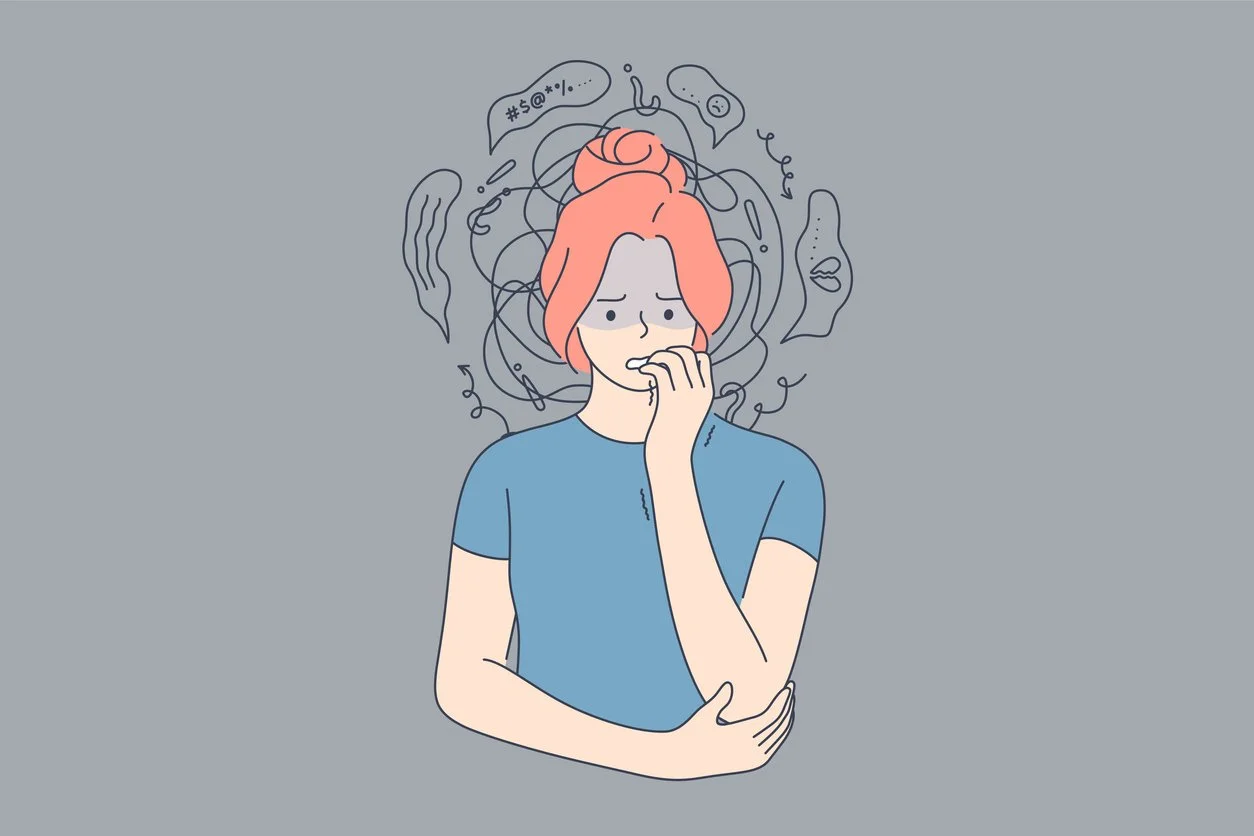
Anxiety affects millions of people every day. Understanding it is the first step toward relief and better mental health. Whether you're experiencing occasional worry or more persistent challenges, this guide answers common questions to help you recognize, manage, and seek support for anxiety.
Q: What is Anxiety?
A: The American Psychological Association defines anxiety as an emotion characterized by feelings of tension, worried thoughts, and physical changes like increased blood pressure. Anxiety is a normal and often helpful emotion that most people experience at some point. It can sharpen focus before important events like an exam or job interview.
However, when anxiety becomes intense, frequent, or persistent enough to interfere with daily life, it may signal an anxiety disorder—one of the most common mental health conditions. According to the National Institute of Mental Health (NIMH), an estimated 19.1% of U.S. adults experienced any anxiety disorder in the past year, with women (23.4%) affected more than men (14.3%). Lifetime prevalence is even higher, at about 31.1% of U.S. adults. Globally, anxiety disorders affect hundreds of millions of people.
Q: What does anxiety feel like?
A: Anxiety often brings feelings of nervousness, restlessness, and a racing mind focused on potential threats or “what ifs.” Physically, you might notice a faster heart rate, rapid breathing, sweating, trembling, or muscle tension. In more intense moments, symptoms can include insomnia, stomach issues, or exhaustion.
Everyone experiences anxiety differently. Common anxiety disorders include:
Generalized Anxiety Disorder (GAD): Persistent, excessive worry about everyday things.
Panic Disorder: Sudden, intense panic attacks with symptoms like chest pain or shortness of breath.
Obsessive-Compulsive Disorder (OCD): Intrusive thoughts that lead to repetitive behaviors.
Phobias: Intense fear of specific objects or situations.
Social anxiety, PTSD, and other forms also exist. The good news is that all are highly treatable.
Q: How do I know if my anxiety is normal or serious?
A: Occasional anxiety is part of life. But if it feels uncontrollable, disrupts work, relationships, or daily routines, or leads you to avoid important activities, it’s worth addressing.
Key warning signs include:
Difficulty calming down or functioning normally
Co-occurring depression
Using alcohol, drugs, or other substances to cope
Persistent insomnia, fatigue, or physical symptoms that don’t improve
If these sound familiar, consult a doctor or mental health professional. Early support can make a big difference—treatment may include therapy, medication, or both.
Q: What if I’m thinking of harming myself?
A: Please reach out immediately for help. If you feel your life is in danger, go to your nearest Emergency Department or call 911. For support with suicidal thoughts, call or text 988 to connect with the 988 Suicide & Crisis Lifeline. You can also chat online at 988lifeline.org. Support is available 24/7, confidential, and compassionate.
Anxiety and related struggles are not permanent. Effective help is available, and many people go on to live fuller, calmer lives.
Q: What can I do to reduce my anxiety?
A: The most important step is recognizing when you need support and being willing to seek it. A mental health professional can help you understand your symptoms, build coping skills, and connect you with resources or support groups.
You can also practice these safe, effective strategies alongside professional guidance:
Stay active: Regular exercise is one of the most proven ways to reduce stress and improve mood.
Prioritize sleep and nutrition: Consistent routines support better mental clarity and resilience.
Limit caffeine, nicotine, alcohol, and recreational drugs: These can worsen anxiety.
Practice relaxation techniques: Mindfulness meditation, deep breathing, or progressive muscle relaxation can calm both mind and body. Many free apps and online resources make it easy to get started.
Build connections: Talk to trusted friends, family, or join a support group.
Ready to take the next step? We are happy to connect you to a mental health therapist. Call (866) 522-2472 today. Our team is here to support you with compassionate, professional care. You don’t have to navigate this alone—help is available, and recovery is possible. Small steps can lead to meaningful progress.