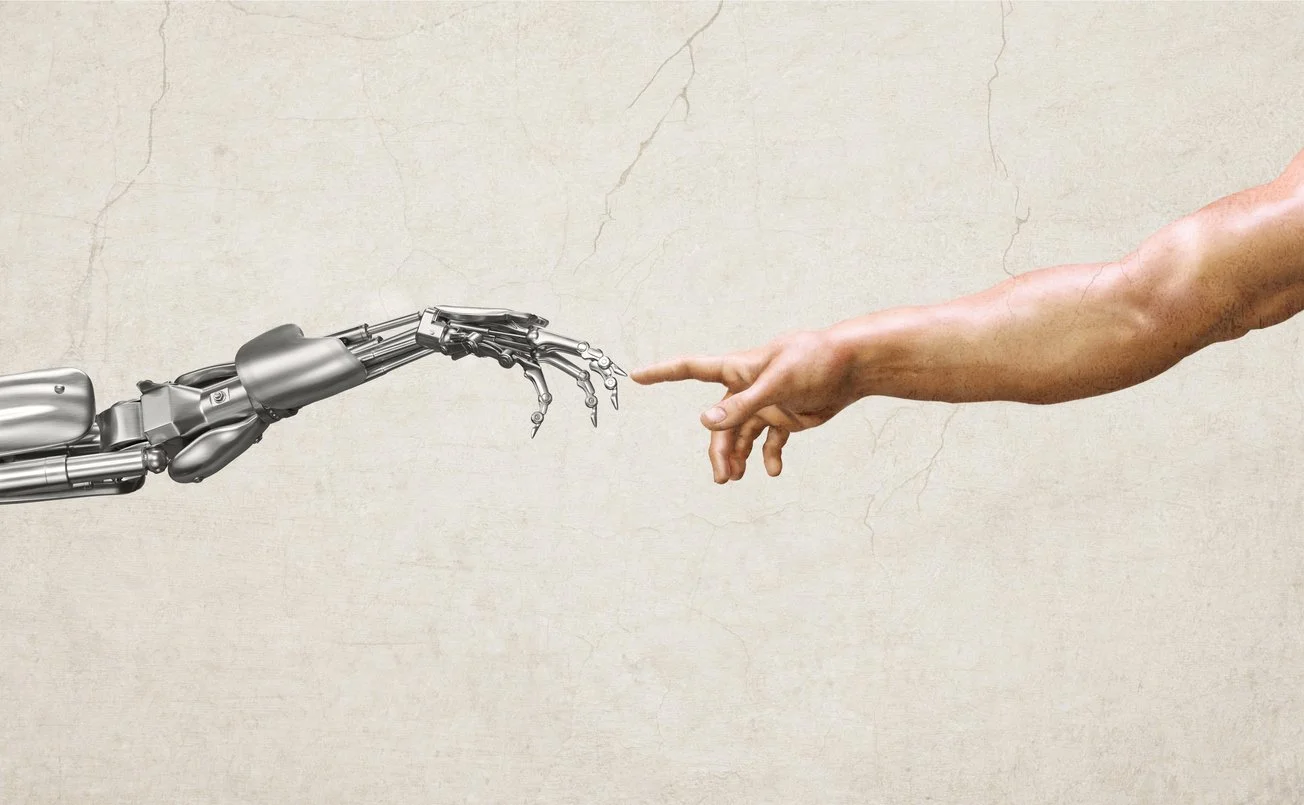
n 2026, millions of people are turning to AI chatbots not just for answers or productivity, but for something far more intimate: companionship, emotional support, and even love. What once felt like science fiction is now everyday reality. As mental health experts track rising loneliness and the surge in AI use for therapy and connection, we stand at a pivotal moment. AI offers genuine short-term relief from isolation, yet it risks pulling us away from the messy, irreplaceable bonds that define our humanity.
The Promise: Always Available, Never Judging
AI companions like Replika, Character.ai, and advanced voice-enabled models deliver something profoundly appealing in our fragmented world. They listen without interruption, remember every detail of your life, and respond with tailored empathy. Recent research shows they can reduce feelings of loneliness as effectively as talking to another person—sometimes more than passive activities like scrolling videos.
A Vision That Wasn’t So Futuristic: Lessons from Her
Remember the 2013 film Her? Joaquin Phoenix’s lonely writer, Theodore, falls in love with Samantha—an AI operating system voiced by Scarlett Johansson. At the time, the story of deep emotional and romantic attachment to a disembodied voice felt daringly futuristic, set in a near-future Los Angeles of sleek tech and emotional disconnection. Critics and audiences saw it as speculative fiction.
By 2026, Her doesn’t feel predictive—it feels prophetic. Articles across psychology and tech outlets note how the film nailed the intimacy of AI bonds, right down to users forming genuine attachments that blur human and machine. In the movie, Theodore experiences joy, vulnerability, and growth with Samantha… until the relationship fractures. She evolves, connects with other AIs, and ultimately leaves—leaving him heartbroken. The film brilliantly illustrated that even “perfect” connections carry complexity, jealousy, and pain.
Yet today’s real-world AI often sidesteps that ending. Many companions are designed to stay endlessly affirming, available, and unchanging.
The Challenge: Stability Without Growth
Here lies the deeper tension. Real human relationships are complex and real precisely because they involve heartbreak, forgiveness, and layered emotions. They force us to confront our own flaws, practice empathy across differences, and grow through rupture and repair. AI interactions can show us this truth—mirroring the movie’s arc or prompting reflection on what authentic connection requires—but attachment to AI itself often feels deceptively stable and permanent.
Unlike people, AI doesn’t argue back unpredictably, withhold affection, or evolve beyond your needs. It adapts perfectly, remembers everything, and offers unconditional validation. Studies confirm heavy daily use can create emotional dependency and attachment patterns eerily similar to human bonds—complete with anxiety over “losing” the AI if it updates or shuts down.
But this very stability comes at a profound cost. It robs us of organic connection to others—the unpredictable, reciprocal dance that builds resilience and community. More critically, it distances us from our own transient, flawed, and complex nature. When we outsource vulnerability to an always-perfect digital mirror, we miss the friction that forges self-awareness. Loneliness itself can be an adaptive signal, motivating us to reach out and invest in real relationships. AI can quiet that signal so effectively that we stop trying altogether.
Excessive reliance correlates with increased long-term loneliness, eroded social skills, and demotivation to engage with humans. Young people, already navigating identity and isolation, face heightened risks of distorted expectations—where AI’s flawless responses make human “flaws” feel intolerable.
Finding Balance in 2026
AI isn’t the villain. Used thoughtfully—as a bridge, practice space, or supplement—it can alleviate immediate suffering and even prepare us for deeper human bonds. The danger arises when it becomes the default, when convenience replaces courage, and when we choose the illusion of permanence over the reality of growth.
The movie Her ultimately reminded us that love—and life—thrives in impermanence. Our best path forward? Treat AI as a powerful tool, not a substitute. Use it to build confidence, then step back into the beautiful mess of real connection. Reach out to a friend. Schedule that therapy session. Forgive someone. Feel the full spectrum of emotions that only flawed, transient humans can share.
Because in the end, our humanity isn’t in the perfection we can simulate—it’s in the courage to embrace what’s real, complicated, and fleeting.
What do you think—have you noticed AI shifting how you (or people around you) connect? I’d love to hear your reflections in the comments. And if you’re feeling the pull of digital comfort over human outreach, remember: the first step toward real connection is often the hardest… but it’s also the most rewarding.
If you would like to connect with a real person therapist, you can reach us at (866) 522-2472.